
Live Demo :

ROBUS INDIA at CHINA PRINT 2025 | Discover how we enhance your packaging production with precision and efficiency! | Meet us at Booths: W2-007 (Dayuan), A3-522 (YCIA), E4-001/002 (Xinxing) | 15–19 May 2025 | China International Exhibition Center (Shunyi Hall), Beijing | info@robusindia.com | +91 81783 09461 | www.robusindia.com

Top Mistakes in Folding Carton Packaging and How to Avoid Them

Folding Carton Packaging - Robus India

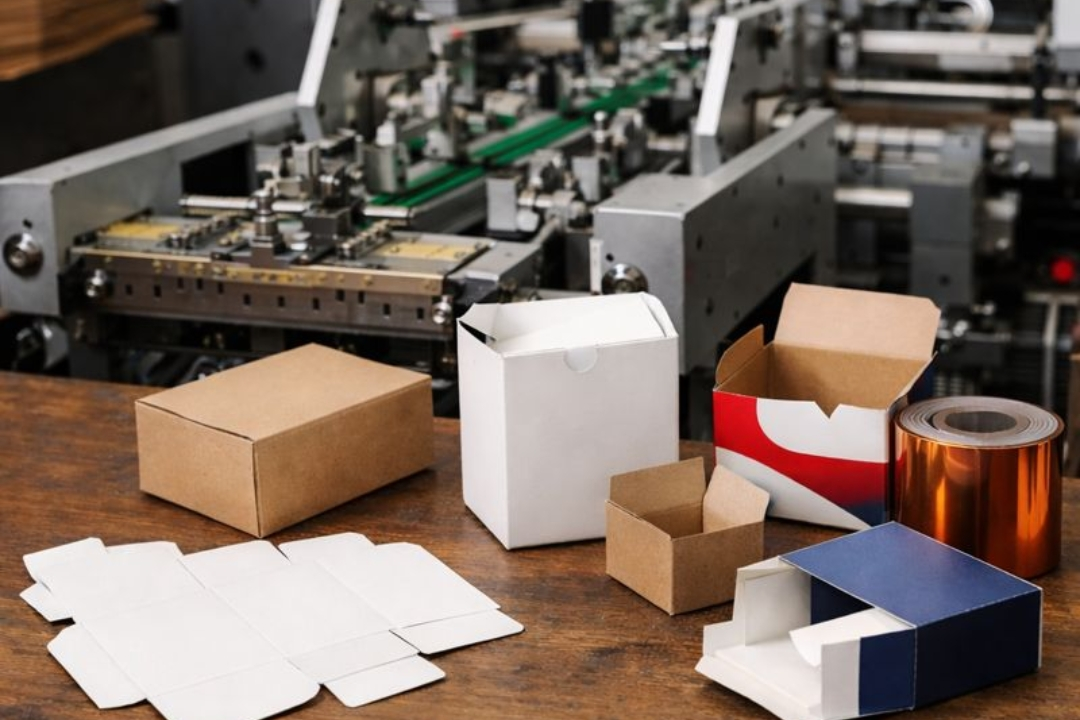
Folding carton packaging is essential for protecting products, building brands, and improving the customer experience in many fields, including food, pharmaceuticals, FMCG, and retail.  Even minor errors in carton production can result in damaged goods, rejected batches, and increased prices. Many packaging companies in India face the same problems over and over again because they don’t plan, use outdated processes, or don’t understand technology well enough.  This blog discusses the most common mistakes people make with folding carton packaging and how to avoid them. Folding Carton Packaging Mistakes That Cost Time and Money Carton packaging mistakes often occur when production is rushed, testing isn’t done properly, or machines aren’t set up correctly. Finding these mistakes early can help manufacturers make better products, waste less, and maintain consistent quality in large-scale production. Poor Material Selection One of the most common mistakes people make when packing cartons is picking the wrong board material. Using the wrong GSM or board type without considering the product’s weight, moisture exposure, or storage can weaken the carton. Common issues include: Carton deformation during stacking Reduced durability during transportation Higher product damage rates How to avoid it: Choose the board material based on its use, the weather, and its weight limit. Testing the quality of materials before making many of them helps prevent problems. What Happens When Carton Design Is Ignored? Ignoring structural design can create serious problems during folding and gluing. When carton layouts are poorly planned, production can become inefficient, and the packaging may be weak. Design-related mistakes include: Incorrect crease placement Improper glue flap dimensions Tight tolerances affecting folding accuracy Solution: Before making the final product, use CAD-based tools to design the cartons and test prototypes. Planning the design properly makes things more consistent and reduces the need to redo things. Printing & Registration Errors Printing quality directly impacts brand perception. Misalignment, color inconsistency, or smudging can make cartons look unprofessional and lead to customer complaints. Common printing problems: Off-register prints Color mismatch across batches Ink smearing or uneven coverage How to avoid it: Regularly calibrating printing machines and conducting rigorous quality checks ensures consistent results. Keeping the printing area clean also improves the output. Why Is Die-Cutting Accuracy So Important? Die-cutting accuracy affects how well a carton folds and maintains its shape. If the die-cutting isn’t done right, it can make the structure unstable and the finish look bad. Typical die-cutting issues include: Uneven cuts Burr edges Misaligned creases Solution: Use precision die-cutting machines and maintain cutting tools regularly. Accurate die-cutting improves folding efficiency and carton strength. Ignoring Folder Gluer Settings Another major problem in making folding cartons is incorrectly setting up the folder gluer. If you set the wrong speed, glue, or pressure, the cartons can get weak. Problems caused by poor settings: Weak glue bonding Carton opening during transit Lower production efficiency How to avoid it: Ensure each carton type is set up correctly and that operators are trained to verify glue accuracy during production. How Can Packaging Manufacturers Avoid These Mistakes? Preventing errors is more cost-effective than fixing them later. Best practices include: Investing in modern packaging machinery in India Regular operator training Standardized quality control checklists Testing cartons before mass production Taking a proactive approach reduces production losses and improves the overall quality of the packaging. Why Choosing the Right Packaging Machinery Matters Advanced machinery is crucial for reducing mistakes in folding carton packaging. Modern machines are more accurate, automated, and consistent than older or manual systems. Key benefits include: Higher production speed Improved accuracy Reduced material wastage Long-term cost savings For Indian manufacturers of carton packaging, the right machines ensure consistent production and growth. Conclusion Many mistakes occur when folding cartons, but you can avoid them all with the right approach.  Choosing the right materials, designing the packaging correctly, die-cutting it accurately, and properly setting the machines all make a big difference in the packaging’s quality.  Businesses can produce high-quality, durable cartons that protect products and build brand trust by hiring skilled workers and investing in advanced machinery. FAQs What is the most common mistake in folding carton packaging? Poor material selection is one of the most common mistakes, often resulting in weak cartons and higher rejection rates. How can folding carton packaging quality be improved? Using the right board material, ensuring the carton is the right size, calibrating the machines regularly, and conducting strict quality checks can all help improve things. Why do folding cartons fail during transportation? Weak materials, poor gluing, or incorrect die-cutting are the most common causes of carton failures. Which machines help reduce folding carton packaging errors? Die-cutting machines, folder gluers, and laminators are essential for improving accuracy and reducing packaging mistakes.

Understanding Braille Embossing in Packaging: A Complete Guide

Braille Embossing - Robus India

Braille Embossing helps visually impaired consumers identify products safely and independently. Everyday items like snacks, medicines, or cosmetics become easier to use. Even small businesses can implement it without much difficulty. This guide explains its importance, techniques, benefits, and tips for inclusive packaging. What is Braille Embossing in Packaging? Braille embossing is the process of creating raised dots on product packaging that represent Braille letters. These tactile dots let visually impaired people read important information by touch. Some common details included in Braille are: Product name Ingredients or contents Usage instructions Expiration dates Even though it might sound technical, the idea is simple: provide information that people with visual impairments can read. Adding Braille isn’t just about following regulations-it shows that your brand cares about inclusivity and all customers. It also makes the user experience better and packaging more thoughtful. Why Braille Embossing Matters Adding Braille to packaging isn’t just about accessibility-it’s about empowerment and safety: Empowers consumers to make decisions on their own Improves safety with clear instructions and accurate information Builds brand credibility by showing responsibility and inclusivity Many countries now legally require Braille on certain products, like medicines, food, and cosmetics. Following these rules not only ensures compliance but also builds trust with consumers. In today’s market, accessibility can also increase customer loyalty. Techniques of Braille Embossing There are several ways to add Braille to packaging, depending on your product, material, and budget: Heat Embossing (Thermoforming): Uses heat and pressure to create raised dots. Works well on flexible materials like plastic or foil. Offset Embossing: Combines printing and embossing, usually for cardboard or paper packaging. Digital Embossing: A high-tech method that allows precise, customizable Braille on many types of packaging. Beginners can start with simpler methods and explore advanced techniques later. Choosing the right method is important to make sure Braille is durable and readable. Benefits of Braille Embossing in Packaging Adding Braille has many advantages: Enhanced accessibility: Visually impaired consumers can use products independently Improved brand loyalty: Shows your company cares about inclusivity and social responsibility Regulatory compliance: Helps meet packaging laws locally and internationally Safety and accuracy: Reduces mistakes in product usage or consumption Besides these, Braille also communicates that your brand values ethical practices and cares for all customers, which strengthens your brand image. Tips for Beginners If you’re just starting, the process can feel overwhelming. Some practical tips: Place Braille in visible areas: Near product name or important instructions so it’s easy to find Check dot size and spacing: Proper sizing ensures tactile readability Choose the right materials: Make sure your packaging works with the embossing method you pick Test with real users: Ask visually impaired people to read the Braille to confirm it’s accurate Quick Beginner Checklist: Pick the embossing method that suits your packaging Keep placement consistent across products Verify readability before mass production What Information to Include in Braille Include the most essential details: Product name and brand Ingredients or key contents Usage instructions and expiration dates Providing this info makes products safer and easier to use for visually impaired consumers. It also shows your commitment to accessibility. Common Misconceptions About Braille Some myths still exist: “Braille is too expensive.” Modern technology has made it affordable for most products. “It’s only for visually impaired people.” It also improves your brand image and shows social responsibility. “It’s difficult to implement.” With some guidance, even beginners can add Braille without major problems. Knowing these helps brands adopt Braille confidently and effectively. Conclusion Braille embossing isn’t just a legal requirement-it’s a way to make packaging inclusive, ethical, and responsible. Proper implementation empowers visually impaired consumers while improving safety, usability, and trust. Beginners can start with basic techniques, focus on correct placement, and test readability to make it work smoothly. With careful planning, Braille embossing turns packaging into a tool that benefits both your customers and your brand.

Automatic vs Semi-Automatic Packaging Machines: Which Is Right for You?

Automatic Packaging Machines - Robus India

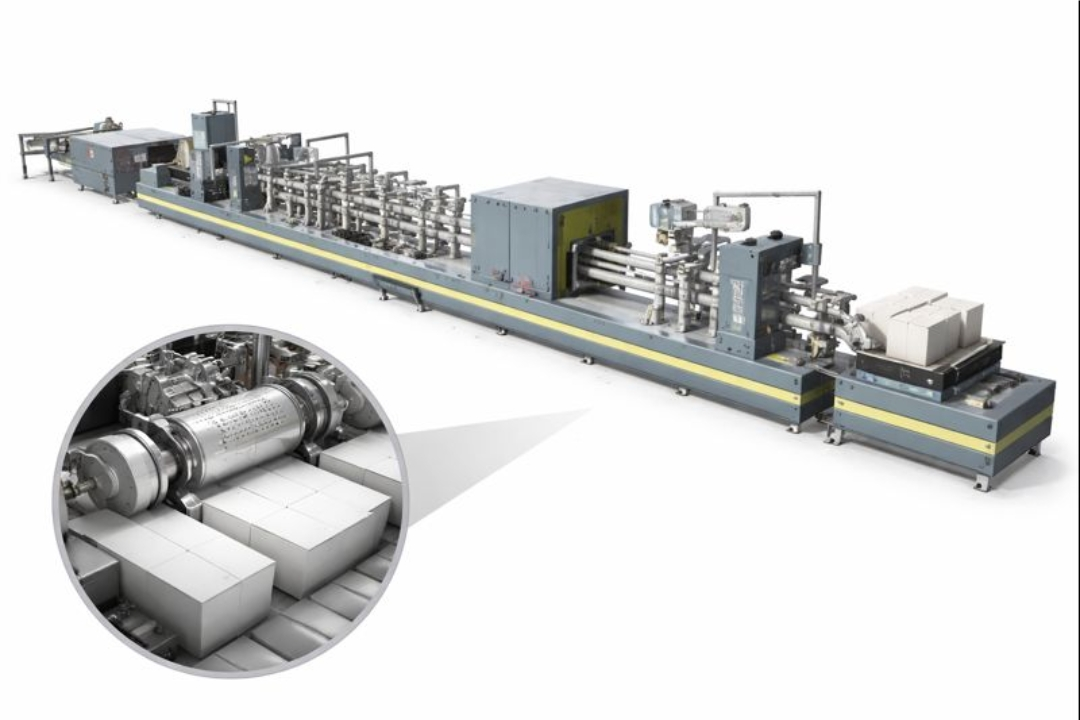
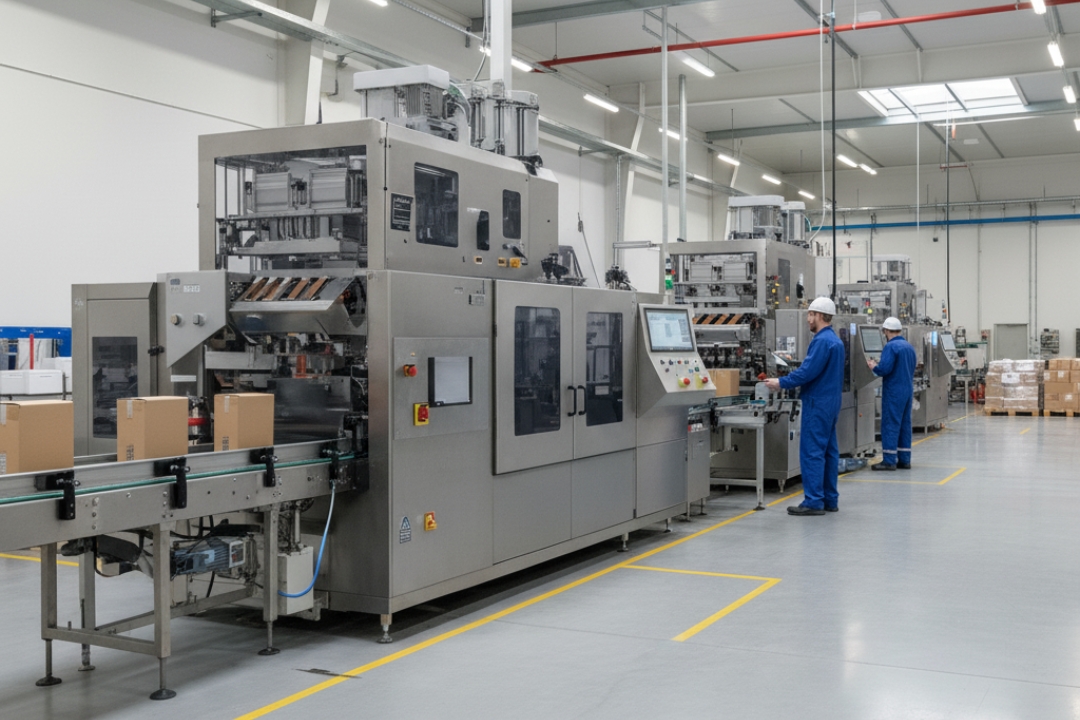
Automatic Packaging Machines are changing the way modern packaging units work by making them faster, more consistent, and more efficient. Still, every business has different production needs, budgets, and growth plans. So, choosing between automatic and semi-automatic packaging machines is a strategic decision, not just a technical one. Understanding how these two options differ can help manufacturers ensure their machinery investments align with their long-term business goals.   Automatic Packaging Machines – When Automation Makes Sense Automatic packaging machines perform packaging tasks with minimal manual labor. After setup, they take care of feeding, folding, gluing, and finishing in a steady, ongoing process. These machines are made for high-volume production settings where speed and consistency matter most. Key benefits include: Fast production speeds make it easier to handle large or repeat orders. Consistent quality is maintained throughout long production runs. There is less need for highly skilled manual labor. These systems work well with fully integrated packaging lines. These machines work well when you have a tight production schedule and need to keep downtime to a minimum. Best suited for: High-volume carton and corrugated packaging manufacturers. Businesses serving FMCG, pharmaceutical, or export markets. Operations are looking to increase their production in the future.   Understanding Semi-Automatic Packaging Machines Semi-automatic packaging machines use both automation and human input. For example, tasks such as feeding or aligning are done by hand, while the machine handles the main packaging work. This hybrid approach offers greater flexibility and lower entry costs. Key advantages include: Requires less upfront investment than fully automated systems. Setup is easier and maintenance is simpler. Adapts more easily to different box sizes and small batches. Gives operators more control for custom packaging tasks. Businesses that handle many different orders rather than standardized, high-volume production often prefer semi-automatic solutions. Best suited for: Small to mid-sized packaging units. Companies handling frequent design or size changes. Businesses that are slowly moving toward automation.   Key Differences Between Automatic and Semi-Automatic Machines Although both machine types fulfill the same purpose, their operational impacts differ significantly.   Production speed Automatic machines deliver high output with minimal interruptions. Semi-automatic machines run at moderate speeds, depending on the operator.   Capital investment Automatic systems require higher upfront costs. Semi-automatic machines are more budget-friendly.   Labor involvement Automatic machines significantly reduce manual handling. Semi-automatic machines require trained operators.   Operational flexibility Automatic machines work best when tasks are standardized. Semi-automatic machines can easily adjust to different needs.   Factors to Consider Before Choosing the Right Machine Selecting the right packaging machine depends on operational priorities rather than automation level alone. Key factors to evaluate include: Daily and monthly production volume. The amount of floor space you have and how it is arranged. Your budget limits and what return on investment you expect. Availability of skilled operators. Your plans for expanding and automating in the future. Understanding these factors will help you select a machine that meets your current needs and supports future business growth.   Making the Right Choice for Your Packaging Business In modern packaging operations, both fully automated and partially automated packaging machines are very important.  The best choice depends on how often the machine will be used, how hard the jobs are, and what the business plans to do next. Automation can help manufacturers make things faster, bigger, and more consistently. On the other hand, businesses that value flexibility and controlled investment may find semi-automatic solutions to be more useful.  The key to long-term efficiency is ensuring that machine capabilities align with the operational strategy.   FAQs 1. Are automatic packaging machines suitable for small businesses? Yes, they can be, as long as production volumes are high enough to make the investment worthwhile and you plan to use them regularly.   2. Do semi-automatic machines compromise on packaging quality? No. With proper setup and trained operators, output quality remains high, though production speed may be lower.   3. Which option offers better long-term ROI? ROI is influenced by how much you use the equipment, the size of your production, labor costs, and your growth plans, not just the type of machine you choose.

How Automation Is Transforming the Indian Packaging Industry in 2025

Indian Packaging Industry in 2025 - Robus India

The Indian packaging industry is changing faster than ever. As demand from the FMCG, pharmaceutical, and e-commerce sectors grows, manufacturers need packaging solutions that are faster, more accurate, and can grow with them. In 2025, automation will become the main force behind this change. Challenges in the Indian Packaging Industry with Traditional Methods A lot of packaging units still use manual or semi-automatic methods. These methods don’t work anymore because of: Inconsistent folding, gluing, and cutting Slower production rates High labour dependency Frequent errors and wastage Struggles to meet bulk orders As competition intensifies, these limitations make scaling difficult. How Automation Is Transforming the Indian Packaging Industry in 2025 Automation adds speed, accuracy, and operational excellence, which are all necessary for today’s packaging needs. 1. Improved Precision and Quality Automation ensures: Cutting the die correctly Clean creasing Folding in a uniform way Fewer people who say no This boosts consistency across large production runs. 2. Higher Speed and Output Efficiency Automated folder-gluer and lamination machines make it easier for manufacturers to: Increase the number of cartons produced per hour  Finish things on time more easily  Handle designs that are different and complicated  Speed up the time it takes to get things done This is crucial for sectors with high-volume requirements. 3. Stronger and More Attractive Packaging Automation makes products last longer and look better by: Lamination of high quality Precise pasting  Premium finishes like foil stamping  Better visual appeal for retail shelves Brands get better packaging and more visibility on store shelves. 4. Reduced Downtime and Maintenance Costs Most modern automated machines offer: Faster job setup Smart control systems Durable engineering Lower vibration and wear This means fewer breakdowns and production that goes on without stopping. 5. Scalability Without Increasing Workforce Automation helps businesses grow without hiring more people: Fixes problems with not enough workers Makes sure the output is predictable Handles peaks in the seasons Lessens the mistakes made by workers This makes it easy and cheap to scale operations. Why 2025 Is a Turning Point for the Indian Packaging Industry Several things are speeding up the use of automation: Huge growth in online shopping More strict rules for pharmaceutical packaging Growth of the FMCG market More demand for exports Expectations for better packaging quality Automated machines are easier to get in India These trends are reshaping competitiveness across the Indian Packaging Industry. Benefits of Automation for Brands and Packaging Manufacturers Automation makes things run more smoothly and strengthens brand relationships: Quality that stays the same Shorter delivery times Less damage to products while they’re being shipped Fewer complaints and returns Better design for looks and structure More profit and less waste Manufacturers can easily handle more complicated and custom packaging jobs. Conclusion The Indian packaging industry is changing because of automation. Automated machines are now necessary, not just nice to have.  They make things better, faster, and more scalable.  Companies that automate their processes today will set the standard for the market tomorrow.   FAQs 1. Why is automation important for the Indian Packaging Industry in 2025? It speeds up production, cuts down on waste, improves quality, and helps packaging units keep up with the growing demand from e-commerce, FMCG, and pharma brands. 2. Which packaging processes improve the most with automation? Processes like die-cutting, folding, gluing, lamination, and finishing get the most out of it because they are more accurate and make fewer mistakes. 3. Is automation cost-effective for packaging manufacturers? Yes. Automation costs more at first, but it saves money in the long run by lowering labour costs, waste, downtime, and rework.

Cost of Ownership: How to Evaluate the Total Cost of Ownership for Packaging Machinery

When investing in packaging equipment, most companies focus on the upfront cost – but the actual expense is much higher. Long-term cost of ownership can affect everything from production efficiency to profitability. This is why it is essential to evaluate the total cost of ownership for packaging machinery before making a purchasing decision. What Is TCO and Why It Matters Total cost of ownership (TCO) represents the overall financial impact of ownership over the lifecycle of a machine. For packaging lines, this includes purchase, installation, operation, downtime, maintenance and end-of-life costs. Accurately understanding TCO for packaging machines helps businesses: Compare equipment beyond initial cost Identify hidden expenses Improve budgeting accuracy Make informed long-term decisions This method results in a more dependable analysis of packaging machinery costs and facilitates improved capital investment. Key Factors That Influence TCO 1. Purchase and Installation Costs This includes the price of the machine, integration expenses and commissioning. Sometimes higher quality machinery with advanced features provides better long-term value, even if the initial price is higher. 2. Operating Costs A major part of machinery operating costs comes from: Energy usage Materials like films or adhesives Workforce needs Effectiveness of material utilization Machines designed to reduce waste and enhance energy efficiency can substantially decrease long-term costs. 3. Maintenance & Downtime Packaging machinery maintenance costs have a huge impact on TCO. Key ideas include: Preventive maintenance timetables Cost and availability of spare parts Service reaction duration Losses due to downtime Reliable machinery with minimal breakdowns results in a lower Packaging equipment TCO. 4. Productivity & Performance Machines that perform better lead to a decrease in overall expenses by enhancing productivity. Contributing factors include: Throughput speed Changeover time Accuracy and consistency Product rejection rates High performance contributes to a decreased packaging gadget lifecycle cost. 5. Lifecycle, Upgrades & End-of-Life The lifecycle of a machine has an impact on its long-term value. Consider: Expected lifespan Availability of upgrades Software support Replacement part costs Resale or refurbishment options Long-lasting equipment reduces long-term financial burden. How to Calculate Total Cost of Ownership An effective TCO calculation for commercial machines should consist of both direct and oblique fees. A simple formulation is: TCO = Purchase Cost + Operating Costs + Maintenance Costs + Downtime Costs – Productivity Gains To evaluate Total Cost of Ownership accurately: Compare 3 year and 5 year operating costs Estimate energy, consumable and labor expenses Calculate Expected Downtime Include training and skills costs Review spare parts and service access Even a simple calculation provides powerful insights when comparing machine options. Common Mistakes in TCO Evaluation Many buyers still evaluate packaging machines based only on price. Common errors include: Ignoring maintenance and repair expenses Underestimating downtime losses Ignoring consumables and energy use Operator skill requirements not being considered Choosing cheaper machines with higher long-term operating costs A comprehensive understanding of the cost of ownership helps prevent these costly errors. How Premium Machinery Can Reduce TCO Investing in high quality equipment can reduce the total cost of ownership of packaging machinery: Lower energy consumption Reduced material waste Longer lifespan Fewer breakdowns Better support and parts availability Improved automation features Such machines provide consistent performance while reducing overall packaging equipment TCO. TCO Checklist for Buyers Before purchasing packaging machinery, review this quick checklist: Total purchase + installation cost Energy consumption Consumable usage Maintenance frequency Downtime impact Production efficiency Service and spare parts availability Machine lifecycle and upgrade options Labour and training needs Conclusion Understanding the total cost of ownership of packaging machinery helps companies make better, future-focused decisions. By evaluating long-term costs – not just the initial investment – ​​businesses can reduce expenses, increase efficiency and improve overall profitability. A strong TCO assessment ensures that your packaging machinery delivers maximum value throughout its lifecycle.  

How Startups & Small Packaging Units Can Choose the Right Post-Press Machine

Startups & Small Packaging Units - Robus India

India is fast developing in terms of the packaging industry, and each year, new startups and small packaging units are emerging in the market. Although the printing technology usually takes the lead, the finishing processes, which determine the final appearance and feel of the packaging, are also crucial to brand perception and production efficiency. For small players, selecting the right publish-press machine is mostly an essential funding choice. The undertaking lies in finding the perfect stability among productivity, versatility, and cost-effectiveness. Understanding Post-Press Requirements All such activities that come after printing, including die-cutting, folding, gluing, embossing, laminating, and coating, are called post-press. These procedures make the end product accurate, sturdy and attractive. Each packaging unit has distinct needs based on: Type of material (paperboard, corrugated board or film). Diversity of merchandise (cartons, labels, rigid boxes, etc.). Predicted performance and rate of production. A workflow analysis of production is necessary before investing to determine which parts of production are bottlenecks or could be automated to save time and money. Key Factors to Consider Production Volume: Select equipment that fits your present capacity, yet will be expanded later. An over estimate can result in underdevelopment and an under estimate can restrain development. Material Flexibility: Choose a machine capable of processing various substrates if your business serves a range of packaging requirements. Space and Utilities: Evaluate available floor space, power load and operator skill level. Compact, energy-efficient machines are ideal for small setups. Budget and ROI: Do not merely focus on the initial expense. Take into account the overall cost of ownership, which encompasses maintenance, consumables, and periods of inactivity. Tips for Small Units and Startups Use Multi-functional Machines: These are capable of performing multiple processes such as die-cutting, creasing and stripping within a single unit- this saves space and man power. Automation Level: Automatic feeding machines, waste removal machines, or registration machines boost productivity and minimize errors. Maintenance and Support: It is always advisable to get brands that have good local service support and availability of spare parts. Simple to use: The control and digital interfaces must be user-friendly to teams that have low levels of technical expertise. Scalability: You need to make sure that the equipment is scalable or has the ability to be upgraded or have new modules as your business grows. Balancing Cost and ROI A decrease-priced system would possibly seem appealing, however it is able to lead to higher maintenance fees or inconsistent overall performance over time. Instead, take a look at the long-time period return on investment (ROI): Reduced waste and rework. Lower energy consumption. Higher consistency and output quality. Reliable systems minimizes downtime, enhancing delivery schedules and patron delight-critical elements in developing a packaging business. Embracing Technology and Innovation The current post-press is more intelligent and efficient than ever. Such characteristics as auto-register controls, touch screens, and remote diagnostics enhance accuracy and efficiency. The energy efficient models not only reduce the operation costs, they also contribute to the sustainability objectives, which is a rising trend among the clients across the world. Through the use of new post-press equipment, the start-ups can compete with bigger players without losing quality. Partnering with the Right Manufacturer Beyond the equipment, the credibility of the manufacturer is of significant importance. A trustworthy supplier provides: Installation and training support. Quick-response service teams. Access to genuine spare parts. Guidance on future upgrades. Working with an experienced producer like Robus India guarantees your device promises consistent overall performance for years. Conclusion For startups and small packaging units, the right post-press machine isn’t just a purchase – it’s a long-term business investment.  By focusing on quality, flexibility and after-sales support, you can build a strong production base that scales seamlessly as your packaging business grows.

Role of Packaging in E-Commerce Growth – and How Machines Need to Adapt

E-Commerce Growth

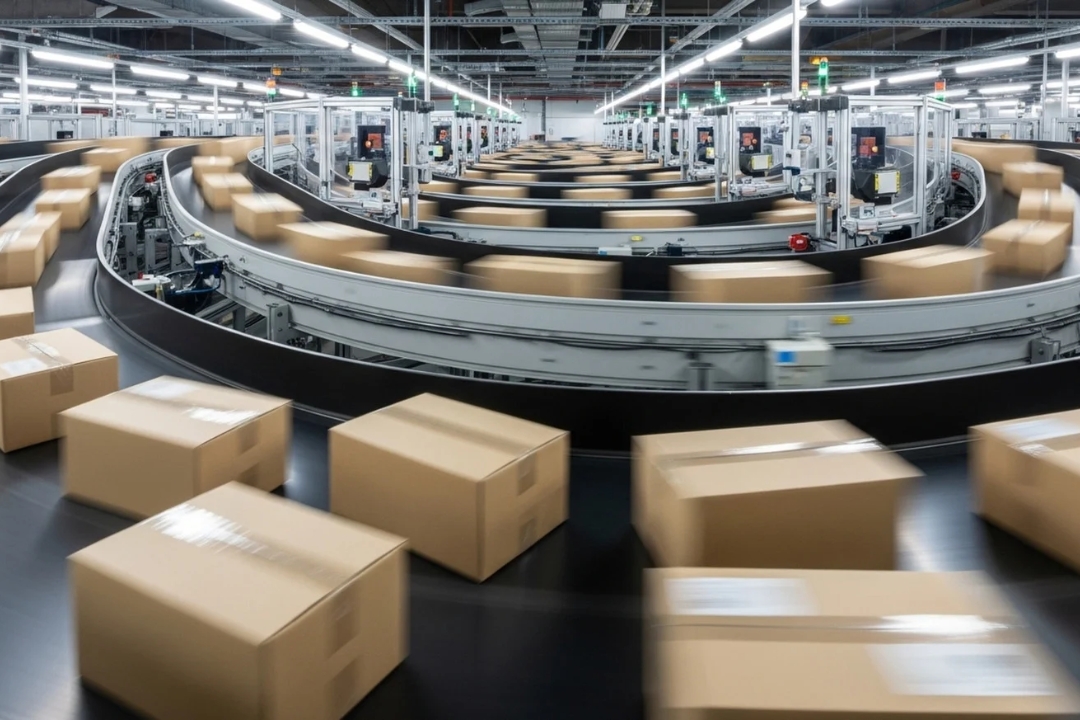
In today’s fast-growing online retail world, e-commerce growth has made packaging more than just protection-it’s now a vital part of the customer experience. Packaging promotes branding, sustainability and loyalty, inspiring machines to become faster, smarter and more eco-friendly. The E-Commerce Boom and Packaging’s Growing Role The development of e-commerce has altered the way products are displayed, delivered and perceived. Packaging has become a key part of the purchase experience, both by the world-renowned Amazon and smaller D2C brands. E-commerce is so dependent on packaging to create that initial physical impression that unlike traditional retail where the product is displayed on shelves. The unboxing experience has been one of the most significant touchpoints – making packaging not a requirement but a promotional challenge. How Packaging Drives E-Commerce Success Packaging encompasses more than merely a shipping necessity-it has a direct effect on profitability, sustainability, and customer satisfaction. 1. Brand Identity and Experience An effective package is one that conveys brand values. Memorable experiences are created through colours, textures, and materials to strengthen the trust and quality. 2. Protection and Efficiency Goods have to endure a long-range delivery and several handling processes. Long lasting but light packaging is used to minimize the damages and transportation costs. 3. Unboxing as a Marketing Tool The significance of the presentation has been heightened by social media trends. A carefully curated unboxing experience has the potential to transform customers into advocates for the brand. 4. Sustainability and Loyalty Consumers who are environmentally friendly will choose brands that are recycled or biodegradable. Sustainable packaging can be used to minimize waste and also enhance brand loyalty. Challenges in E-Commerce Packaging As order volumes continue to rise and customer expectations grow, e-commerce packaging is encountering new challenges: Speed vs. Personalization: Orders are of different sizes and types, and require flexible and quick packaging solutions. Sustainability: It is still difficult to find a balance between material sustainability and environmental sustainability. Increased Logistics Costs: Inefficient packaging causes the shipping costs to rise. Returns Management: To manage returns wastefully, it is important to have flexible and reusable packaging systems. These challenges underline the need for smarter, automated, and more agile packaging technologies. How Packaging Machines Are Evolving To address these new challenges, packaging machines are increasingly being intelligent, versatile and connected than ever before.  It has stopped being volume-driven production and is now focused on dynamic production in the form of adaptive packaging lines to meet the needs of dynamic e-commerce. Automation & Robotics: Repetitive procedures, such as filling, labelling, and sealing, are now automated to provide more accuracy and speed. AI & Data Integration: AI can be used to streamline the utilization of materials, minimize waste, and anticipate maintenance requirements. Flexible Packaging Lines: Flexible machines can now change package sizes and formats without stopping, which makes it possible to customize. Connection with Digital Systems: Current packaging machines can be connected with the ERP and warehouse management systems to coordinate the work. This integration guarantees quicker order processing, reduced errors, and a smooth transition between online orders and physical fulfilment. Sustainability as a Key Innovation Driver Sustainability has emerged as a crucial element in the design of packaging machines. Manufacturers are concentrating on creating equipment that facilitates environmentally friendly packaging solutions. Recyclable and Biodegradable Materials: Machines now accept new-age green materials like paper based wraps, compostable films, and plant based plastics. Waste Minimization: Right-sizing technology, automated sealing, and precision cutting ensure the reduction of the material wastage. Energy Efficiency: Sophisticated systems use less energy and less carbon. Modular Design: Modifiable and upgradable machines prolong life and save on replacement expenses. As e-commerce companies strive for carbon-neutral operations, such innovations at the machine level become crucial. The Future: Smart, Data-Driven Packaging Lines Anticipating the future, e-commerce packaging is set to evolve through intelligent, interconnected systems driven by real-time data and machine learning. These sophisticated packaging lines are capable of: Automatically adjust package dimensions according to the product and order information. Utilize predictive maintenance to avert downtime and guarantee consistent production. Employ IoT sensors to monitor performance and energy consumption. Incorporate sustainability metrics to document carbon emissions and material utilization. Prominent companies such as Amazon and Alibaba are currently testing adaptive packaging systems that tailor materials to each order, thereby minimizing waste and lowering operational expenses. Conclusion Packaging has evolved from being merely an operational requirement to a strategic tool for growth in e-commerce. It influences customer perceptions, optimizes logistics, and embodies brand values.  As online retail continues to grow, the demand for packaging systems that are smarter, faster, and more environmentally friendly will only increase. The future is set for intelligent, sustainable, and adaptable packaging technologies-machines that can harmonize speed with accuracy, and sustainability with effectiveness.  In the competition to meet the needs of digital consumers, it is these advancements that will shape the forthcoming phase of e-commerce expansion.

Comparison: Indian vs International Standards for Packaging Machines & What Indian Buyers Should Know

packaging machines in india - robus india

The Indian packaging industry is experiencing a high growth rate due to the presence of an increasing food, pharma, and FMCG industries.  With the increased investment by businesses in automation and export ready solutions, there has been a necessity to be knowledgeable about packaging machine requirements. Nevertheless, the Indian buyers are yet to be in a position to be confused between Indian and international standards when buying packaging machinery.  It can be a saving grace, and spare you money and trouble, as well as assure you of a world-standard in safety, hygiene, and reliability in your investment. What Do Packaging Machine Standards Mean? The standards of packaging machines stipulate the quality, safety and performance standards that a manufacturer must apply before selling his/her packaging machines in a particular market. These standards ensure: The machines are ergonomic and safe to use. Components comply with hygiene and quality (particularly in food and pharma). Machines are efficient in energy as well as environmental standards. Systems adhere to sound automation and technology standards. Globally, major certification bodies include: International Organization for Standardization (ISO). CE (Conformite Europeenne) European safety and performance mark. FDA – of food and pharmaceutical equipment applied in the U.S. GMP (Good Manufacturing Practices) BRCGS (British Retail Consortium Global Standards) In India, key standards come from: BIS (Bureau of Indian Standards) FSSAI (for food-grade packaging) ISO standards adopted under Indian regulations Key Differences: Indian vs International Standards Although the standards for Indian packaging machines are advancing, there remain discrepancies when compared to international compliance norms for packaging machinery. Here’s a breakdown of the main differences: Design and Safety International: CE-certified machinery adheres to stringent regulations in the EU Machinery Directive, which provides safety to the operator and emergency protection. Indian: The BIS certification is more oriented towards basic operational safety, and less about the design ergonomics checks being mandatory. Material and Build Quality International: Food and pharma machines usually need stainless steel of 304 or 316 grade, which is in compliance with hygienic standards such as FDA or GMP. Indian: There are still machines that are made of lower grade materials to save on cost and this affects durability and cleanliness. Automation and Technology International packaging equipment combines smart control with IoT, sensors, and PLCs. Indian machines are getting better though lots of them still use a manual or semi-automatic system. Energy Efficiency and Sustainability EU and ISO standards impose energy efficient designs and environmental friendly components. Such norms are not compulsory in India but there is an increasing awareness. Testing and Certification International: Machines are audited and checked by third parties to have CE or ISO marks. Indian: The certification is usually by self-declaration or local authority testing that is restricted. Why International Standards Matter for Indian Buyers When Indian buyers choose machines that meet international packaging machine standards, they gain multiple advantages: Increased reliability and increased machine life. Adherence to export packaging regulations. Less down time and maintenance. Greater operator protection. Better brand image and customer confidence. For companies looking to export packaged products, utilizing machinery that is CE-certified or ISO-compliant guarantees worldwide recognition and helps to circumvent regulatory obstacles. Common Challenges for Indian Buyers Despite the benefits, many Indian buyers face these common problems: Price sensitivity: More affordable machines frequently overlook essential certifications. Misleading claims: Certain vendors promote machines as “CE-like” or “ISO-inspired” that lack true certification. Verification issues: Purchasers might be unaware of how to verify legitimate documentation or audit findings. How to Choose the Right Packaging Machine To ensure you make a smart purchase, keep these points in mind: Request authentic certification documents such as CE, ISO, GMP, or BIS. Evaluate the total lifecycle cost rather than focusing solely on the initial price. Collaborate with reputable manufacturers that adhere to global GMP and CE standards. Obtain third-party testing or inspection reports prior to concluding the agreement. Comprehend the market for your product – when exporting, ensure compliance with international packaging standards. India’s Move Toward Global Benchmarking Through initiatives such as Make in India and the Quality Council of India (QCI), domestic manufacturers are progressively aligning their operations with global standards.  An increasing number of Indian firms are now implementing hybrid systems that comply with both BIS and CE regulations, particularly those targeting international markets. The growth in exports and global partnerships is driving Indian packaging machinery manufacturers to embrace ISO and GMP compliance, signifying a favorable transition towards high-quality packaging equipment on a global scale. Conclusion For Indian consumers, grasping the distinction between domestic and international standards is now essential – it represents a competitive edge. Equipment that meets ISO, CE, and GMP standards may require a higher initial investment, yet they provide enhanced reliability, safety, and long-term benefits.  As the packaging sector in India progresses, conforming to global compliance standards for packaging machinery will not only elevate product quality but also bolster India’s standing as a premier manufacturing centre.

Sustainable Packaging Trends in India & Their Impact on Machine Design

carton packaging machines

In the packaging industry, sustainability is no longer a buzzword in India, but it is a requirement. The shift to environmentally friendly packaging is changing the way products are prepared, packed and delivered due to the growing environmental consciousness, government policies and conscious consumers The packaging market of India is a rapidly developing industry with a total value of more than USD 75 billion.  The Plastic Waste Management Rules and single-use plastic bans have made manufacturers adopt materials and machines that are environmentally friendly in the future. Key Sustainable Packaging Trends in India India’s sustainability wave is led by a few powerful trends shaping design and production: Biodegradable and Compostable Materials: Corn, sugarcane or starch bioplastics are being used instead of conventional plastics. These substances are also biodegradable and minimize landfill wastes. Paper and Fiber-Based Packaging: Recyclable paper pouches, molded trays, and corrugated boxes are coming into play, particularly in e-commerce and the food industry. Lightweight Packaging: Reducing material thickness lowers transport costs and carbon emissions while improving efficiency. Reusable and Refillable Options: A variety of FMCG brands have refill packs and reusable containers to reduce single-use waste. Smart Labeling and Digital Printing: QR codes, RFID tags, and digital prints assist in monitoring packaging, minimizing errors, and reducing waste. These trends are making manufacturers redesign machines capable of working with new materials and formats. How Sustainability is Shaping Machine Design Sustainable packaging does not only concern materials, but it is changing the engineering of the machines used to package. Modern machines must now balance eco-friendliness with precision, flexibility, and speed. Handling New Materials Eco-friendly materials behave differently. The paper laminates are easily torn, whereas bioplastics require particular heat and sealing conditions. To retain quality, machines are currently being constructed with softer handling systems, better tension regulation and adjustable sealing technologies. Energy-Efficient Systems Sustainability extends to energy use. New-age packaging machines have servo-driven motors, energy saving motors, and intelligent sensors to minimize power consumption and lower the cost of operation. This not only reduces carbon emissions but also enhances the cost-effectiveness of production. Modular and Flexible Design Modern packaging lines need to be versatile. Manufacturers are allocating resources towards modular machines that can seamlessly transition between materials-such as from paper to compostable plastic-without requiring significant reconfiguration. This adaptability enables brands to explore various sustainable packaging options. Digital Integration and Automation The implementation of IoT technology for monitoring and predictive maintenance is transforming the efficiency of packaging. Sensors monitor temperature, pressure, and sealing efficiency in real time, thereby guaranteeing minimal material waste. Automation and data-driven control make packaging lines smarter and more sustainable. Challenges for Machine Designers Designing for sustainability isn’t simple. Biodegradable and recycled materials frequently exhibit reduced strength, diminished barrier properties, or inconsistent thickness. Machine manufacturers must therefore innovate in: Material supply and cutting mechanisms Temperature and pressure regulation Waste recovery and recycling throughout the manufacturing process Striking a balance between environmental sustainability, productivity, and cost-effectiveness continues to be a significant challenge. Partnerships among machine designers, packaging engineers, and material scientists are crucial for addressing these technical challenges. The Future: Green Meets Smart India’s requirement for sustainable packaging is projected to increase by 25% or more each year over the coming years. As an increasing number of companies pledge to achieve net-zero objectives, the design of machinery will adapt to facilitate environmentally friendly manufacturing via automation, digital intelligence, and enhanced energy efficiency. The next generation of packaging machinery will be: More Intelligent – employing AI and IoT for the enhancement of processes More Environmentally Friendly – constructed with recyclable materials and energy-efficient systems More Adaptable – capable of managing a range of sustainable resources Conclusion Sustainable packaging is reshaping India’s manufacturing landscape. It is not solely focused on minimizing plastic; it involves re-evaluating design, processes, and technology. As manufacturers of machinery continue to innovate in order to effectively manage eco-friendly materials, they are not only minimizing their environmental footprint but also establishing new benchmarks for efficiency and innovation. A packaging ecosystem that’s smarter, cleaner, and built for the future of a sustainable India.

The Future of Packaging in India: How Automation is Driving Growth

Future of Packaging Robus India

The packaging industry in India is experiencing unprecedented growth. Populated by areas such as FMCG, e-commerce, food and beverages, and pharmaceuticals, packaging is no longer about security-it is about efficiency, branding and stability. As consumer demand increases and competition increases, packaging has become an important driver of automation development. Companies are now embracing advanced machines and smart systems to stay ahead in this developed market. The Current State of India’s Packaging Industry India’s packaging sector is one of the fastest growing in the world, expected to reach $ 204.81 billion by 2025. This growth has increased due to urbanization, increasing disposable income and bounce in online shopping. However, the industry also faces challenges: Cost pressure due to ups and downs in raw material prices. With a push for stability anxiety, recycled and environmentally friendly solutions. Traditional processes that struggle to meet modern demands for speed and stability. This is where automation steps in as a transformative force. Why Automation is Transforming Packaging Automation refers to the use of advanced machinery, robotics, and software to streamline packaging operations. Key benefits include: Speed ​​and efficiency – rapid production cycle. Accuracy and Consistency – Each unit meets quality standards. Low cost – low wastage, low labour dependence. Scalability-It is easy to handle production on a large scale. Automation not only addresses industry challenges but also sets new benchmarks for performance. Key Automation Technologies Shaping the Future Automatic Die-Cutting Machines Automatic die-cutters ensure accurate cuttings with minimal waste. This helps brands to reduce costs while maintaining the quality and stability of the products. Folder Gluers and Stitchers Essential for e-commerce packaging, these machines ensure strong, accurate folding and gluing of the carton, enabling the mass production of durable boxes. Robotic & AI-Driven Packaging Solutions Robotics and AI systems are being used for sorting, packing, labelling and even quality inspection. They improve accuracy and reduce human errors, especially in high-volume industries. Lamination & Hot Foil Stamping Automation Advanced laminator and foil stamping machines enhance beauty and durability. They allow brands to separate the products with premium finish, ensuring prolonged packaging. Industry-Specific Impact of Packaging Automation E-commerce & Retail Daily sent with millions of parcels, speed and accuracy are non-pervionery. Automatic folders help gluers and die-cotters to meet growing demand. Food & Beverage The automation consumer ensures automated, tampering-proof and safe packaging, meeting both safety standards and government regulations. Pharmaceuticals High precision is important. Automatic machines enable Braille embossing, serial coding and anti-counterfeit packaging, which ensure compliance with global standards. How Automation Supports Sustainability Sustainability is no longer optional; it’s a necessity. Automation plays a key role in: Reducing material waste through precision cutting and gluing. Optimizing energy use, lowering carbon footprints. Supporting recyclable materials, helping brands shift towards eco-friendly packaging. Automation helps companies balance growth with responsibility. Challenges in Adopting Automation in India While automation is promising, adoption is not without hurdles: High early investment – Advanced machines require significant advance costs. Skill interval – Operators require training to handle modern technology. Resistance to change – traditional manufacturers can hesitate to change manual processes. Despite these challenges, forward-thinking businesses see automation as a long-term investment with strong ROI. The Road Ahead – Future of Packaging in India The future is clear: Packaging in India will be smarter, faster and more durable. Some emerging trends include: AI & IoT Integration – Real-time monitoring and predictive maintenance. Smart Sensors – Improved quality control and efficiency tracking. Fully Automated Lines – End-to-end automation from cutting to packing. As India keeps itself as a global manufacturing centre, packaging will play a central role in automation driving development and competition. Conclusion The Indian packaging industry is on the verge of change. Automation is not just a benefit – it has become a requirement for existence and success. From die-coting and folder to robotics and smart sensors, ensures automation efficiency, quality and stability. The future of packaging in India is automatic, innovative and durable. Today, the hugging businesses will lead the industry tomorrow.

Looking for a Braille Machine with Standard Marburg Medium?

Kindly fill out the form below to request more information.