
Live Demo :

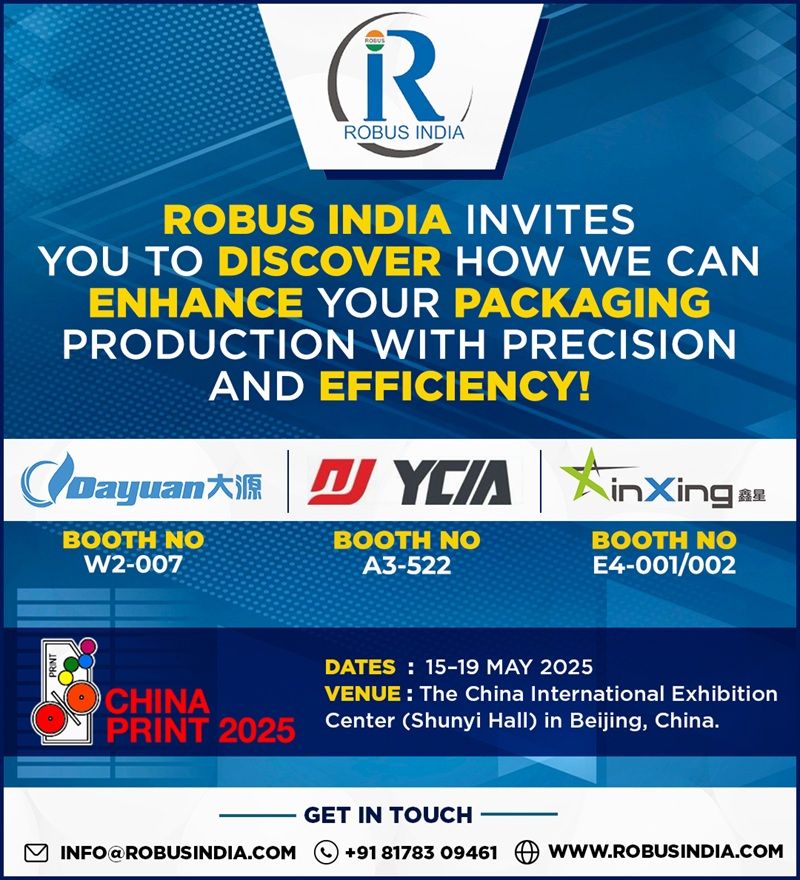
ROBUS INDIA at CHINA PRINT 2025 | Discover how we enhance your packaging production with precision and efficiency! | Meet us at Booths: W2-007 (Dayuan), A3-522 (YCIA), E4-001/002 (Xinxing) | 15–19 May 2025 | China International Exhibition Center (Shunyi Hall), Beijing | info@robusindia.com | +91 81783 09461 | www.robusindia.com

Hidden Costs of Owning a Packaging Machine Beyond the Purchase Price
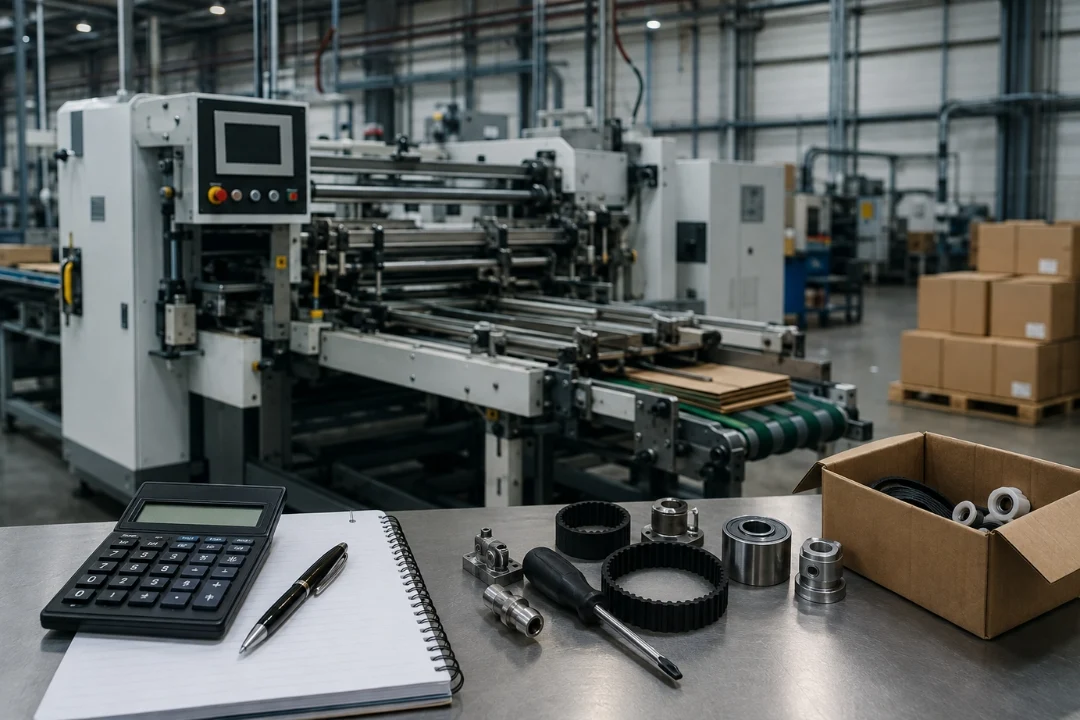
Hidden Costs of Owning a Packaging Machine shown with industrial equipment, spare parts, and maintenance tools

A packaging machine quote never tells the whole story. The number on that proforma invoice is just the entry ticket – what you pay after installation is where most buyers get surprised. Ask any plant manager who’s run a folder gluer or die cutter for five years, and they’ll tell you the price barely scratches the surface. Industry analysts who study equipment lifecycle costs have found that purchase price often makes up only 20-30% of a machine’s total cost over a decade – the rest goes into running it, fixing it and replacing it. If you’re evaluating a carton packaging machine right now, here’s where the real money goes after the invoice is paid.   Installation and Site Preparation Most quotes cover the machine. Few cover what it takes to get that machine running on your factory floor. Foundation work, electrical panel upgrades, compressed air lines, and structural changes to fit the machine’s footprint can add 5-10% on top of the machine cost. Older factory buildings need more of this – a panel wired for 15 kW machines doesn’t automatically handle a servo-driven folder gluer pulling three times that load. Then there’s commissioning: the days, sometimes weeks, your engineer and the supplier’s technician spend fine-tuning the machine before it hits rated speed. That’s paid time with no output to show for it.   Spare Parts and Consumables This is where buyers get blindsided most often, especially with imported machines. Rubber rollers, glue nozzles, cutting dies, timing belts, and sensors wear out on a schedule the sales brochure never mentions. On machines built with proprietary components, a single replacement part can take four to six weeks to arrive from overseas – and cost triple what a locally sourced equivalent would. Before you sign anything, ask two questions: what wears out fastest on this specific model, and how far away is the nearest stock of those parts? A machine that’s ₹5 lakh cheaper upfront isn’t cheaper if you’re paying air-freight premiums for a die every quarter.   Maintenance Isn’t Optional – It’s a Line Item Every packaging machine needs a maintenance budget, and it’s rarely the number the sales team quotes you. Preventive maintenance – lubrication schedules, belt tension checks, glue system cleaning, alignment calibration – keeps small issues from becoming five-figure repairs. Skip it, and you’re not saving money, you’re deferring a bigger bill. We’ve put together a preventive maintenance schedule for die-cutting machines that breaks this down by daily, weekly, monthly, and annual tasks, and it applies to most carton machinery with small adjustments. Reactive maintenance – the kind you do after something breaks – costs more in every direction: emergency technician visits, expedited parts shipping, and the production you lose while the line sits idle.   Downtime Is the Cost Nobody Puts on a Quote Here’s the math most buyers skip: what does an hour of stopped production actually cost your plant? Multiply your hourly output value by the hours a machine sits idle for repairs, part replacement, or operator troubleshooting, and downtime often becomes the single largest hidden cost over a machine’s life. It’s also the hardest to budget for because it depends on things you can’t fully predict – how reliable the build quality is, how fast your supplier responds, and how far the nearest service engineer is from your plant. This is exactly why after-sales response time deserves as much weight in your buying decision as the machine’s rated speed.   Operator Training and Manpower A machine is only as productive as the person running it. Training costs – both the direct fee if the supplier charges for it, and the indirect cost of lost output while operators climb the learning curve – add up fast, particularly on machines with digital HMIs and servo controls that differ from what your team is used to. High operator turnover compounds this. Every time a trained operator leaves, you’re back to square one on productivity until the replacement is up to speed. Factor in retraining cycles when you’re calculating what a machine will really cost you to run.   Energy Consumption Adds Up Quietly Two machines with identical output speeds can have very different power bills. Servo-driven systems typically draw less power than older hydraulic or pneumatic designs doing the same job, but the difference only shows up on your electricity meter over months, not on a spec sheet at the time of purchase. If you’re running multiple shifts, this gap between an efficient and an inefficient machine can run into lakhs annually – money that never appears anywhere in the original purchase decision.   Depreciation and Resale Value Not every machine holds its value the same way. Build quality, brand reputation, and the availability of spare parts all influence what you can recover if you sell or trade in the machine later. This is also where the new-versus-used decision loops back in. If you’re weighing a lower upfront cost against long-term reliability, our breakdown of new vs refurbished carton packaging machines walks through how that trade-off plays out in real maintenance and resale numbers, not just sticker price.   Compliance, Insurance, and Warranty Gaps Depending on your industry, machines may need periodic safety certification, calibration audits, or compliance checks – costs that rarely show up in a sales conversation. Insurance premiums also shift based on the machine’s safety rating and claims history for that model. And read the warranty terms closely. A warranty that excludes electronics, or requires you to use only the OEM’s technicians at premium rates, isn’t the safety net it looks like on paper. Some of the most painful “hidden” costs are hidden in the fine print of a document you already signed.   How to Actually Calculate What a Machine Will Cost You Before you commit, work through this instead of just comparing quotes: Add up 5-year maintenance costs, not just the first-year service contract Price out the top 5 wear parts and check local availability, not just cost Estimate downtime cost per … Read more

Sustainable Packaging Trends in India & Their Impact on Machine Design

carton packaging machines

In the packaging industry, sustainability is no longer a buzzword in India, but it is a requirement. The shift to environmentally friendly packaging is changing the way products are prepared, packed and delivered due to the growing environmental consciousness, government policies and conscious consumers The packaging market of India is a rapidly developing industry with a total value of more than USD 75 billion.  The Plastic Waste Management Rules and single-use plastic bans have made manufacturers adopt materials and machines that are environmentally friendly in the future. Key Sustainable Packaging Trends in India India’s sustainability wave is led by a few powerful trends shaping design and production: Biodegradable and Compostable Materials: Corn, sugarcane or starch bioplastics are being used instead of conventional plastics. These substances are also biodegradable and minimize landfill wastes. Paper and Fiber-Based Packaging: Recyclable paper pouches, molded trays, and corrugated boxes are coming into play, particularly in e-commerce and the food industry. Lightweight Packaging: Reducing material thickness lowers transport costs and carbon emissions while improving efficiency. Reusable and Refillable Options: A variety of FMCG brands have refill packs and reusable containers to reduce single-use waste. Smart Labeling and Digital Printing: QR codes, RFID tags, and digital prints assist in monitoring packaging, minimizing errors, and reducing waste. These trends are making manufacturers redesign machines capable of working with new materials and formats. How Sustainability is Shaping Machine Design Sustainable packaging does not only concern materials, but it is changing the engineering of the machines used to package. Modern machines must now balance eco-friendliness with precision, flexibility, and speed. Handling New Materials Eco-friendly materials behave differently. The paper laminates are easily torn, whereas bioplastics require particular heat and sealing conditions. To retain quality, machines are currently being constructed with softer handling systems, better tension regulation and adjustable sealing technologies. Energy-Efficient Systems Sustainability extends to energy use. New-age packaging machines have servo-driven motors, energy saving motors, and intelligent sensors to minimize power consumption and lower the cost of operation. This not only reduces carbon emissions but also enhances the cost-effectiveness of production. Modular and Flexible Design Modern packaging lines need to be versatile. Manufacturers are allocating resources towards modular machines that can seamlessly transition between materials-such as from paper to compostable plastic-without requiring significant reconfiguration. This adaptability enables brands to explore various sustainable packaging options. Digital Integration and Automation The implementation of IoT technology for monitoring and predictive maintenance is transforming the efficiency of packaging. Sensors monitor temperature, pressure, and sealing efficiency in real time, thereby guaranteeing minimal material waste. Automation and data-driven control make packaging lines smarter and more sustainable. Challenges for Machine Designers Designing for sustainability isn’t simple. Biodegradable and recycled materials frequently exhibit reduced strength, diminished barrier properties, or inconsistent thickness. Machine manufacturers must therefore innovate in: Material supply and cutting mechanisms Temperature and pressure regulation Waste recovery and recycling throughout the manufacturing process Striking a balance between environmental sustainability, productivity, and cost-effectiveness continues to be a significant challenge. Partnerships among machine designers, packaging engineers, and material scientists are crucial for addressing these technical challenges. The Future: Green Meets Smart India’s requirement for sustainable packaging is projected to increase by 25% or more each year over the coming years. As an increasing number of companies pledge to achieve net-zero objectives, the design of machinery will adapt to facilitate environmentally friendly manufacturing via automation, digital intelligence, and enhanced energy efficiency. The next generation of packaging machinery will be: More Intelligent – employing AI and IoT for the enhancement of processes More Environmentally Friendly – constructed with recyclable materials and energy-efficient systems More Adaptable – capable of managing a range of sustainable resources Conclusion Sustainable packaging is reshaping India’s manufacturing landscape. It is not solely focused on minimizing plastic; it involves re-evaluating design, processes, and technology. As manufacturers of machinery continue to innovate in order to effectively manage eco-friendly materials, they are not only minimizing their environmental footprint but also establishing new benchmarks for efficiency and innovation. A packaging ecosystem that’s smarter, cleaner, and built for the future of a sustainable India.

A Complete Guide to Carton Packaging Machinery

Carton Packaging Machinery

Carton packaging machinery has become a game-changer in industries where efficiency, scalability, and precision are critical. From FMCG to luxury goods, these machines not only ensure products are securely packed but also enhance their overall presentation. Let’s dive into the world of carton packaging machinery, exploring its types, benefits, and real-world applications. What is Carton Packaging Machinery? Think of carton packaging machinery as the backbone of modern packaging solutions. These machines are designed to assemble, seal, and finish carton-based packaging with incredible speed and accuracy. Whether it’s ensuring a product stays safe during transit or adding that perfect aesthetic touch, carton packaging machinery makes it all possible. Different Types of Carton Packaging Machinery If you’re planning to invest in packaging machinery, it’s essential to understand the variety of options available. Each type serves a unique purpose, and here’s a breakdown to make things easier: 1. Folder Gluer Machines These machines are the workhorses for folding and gluing cartons, making them a staple for high-volume packaging. Options: Choose between automatic or semi-automatic models based on your production scale. Best For: Industries that need consistent, high-quality folded cartons. 2. Die-Cutting Machines Want your packaging to stand out? Die-cutting machines precisely shape cardboard or paperboard into eye-catching designs. Choices: Automatic for speed or semi-automatic for cost-efficiency. Ideal For: Unique, customized packaging solutions. 3. Lamination Machines Adding a sleek, protective layer to your packaging has never been easier. Options: Film or flute laminators, depending on the finish you’re after. Where It Shines: Luxury packaging and products requiring a premium touch. 4. Hot Foil Stamping Machines Looking to make your packaging pop? Hot foil stamping adds metallic details that scream sophistication. Perfect For: Branding and products that need a high-end look. 5. Rigid Box Machines Luxury products deserve luxury packaging. These machines craft sturdy, elegant boxes. Uses: Perfect for jewelry, electronics, and premium gift items. 6. Specialized Machines From Tape Applicators to Inline Braille Rotary Embossing Machines, there’s a machine for every niche need, ensuring your packaging is as functional as it is beautiful. Why Businesses Love Carton Packaging Machinery The benefits of these machines go far beyond just packaging. Here’s why companies are making the switch: Boosts Productivity: Automating repetitive tasks means more work gets done in less time. Saves Money: Reduces dependency on manual labor and cuts long-term costs. Ensures Consistency: Uniform packaging protects your brand image. Eco-Friendly Options: Many machines now support sustainable materials, helping your business go green. Real-Life Applications Carton packaging machinery isn’t just for big factories; its versatility makes it a fit for businesses of all sizes. Here’s how different industries use it: Fast-Moving Consumer Goods (FMCG): Packages snacks, beverages, and household products securely and attractively. Pharmaceuticals: Ensures medicines meet strict packaging standards while staying tamper-proof. Luxury Goods: Elevates the unboxing experience with premium designs and materials. Keeping Your Machines in Tip-Top Shape Investing in good machinery is just the first step. Keeping it well-maintained is what guarantees long-term success. Inspect Regularly: Catch wear and tear early to avoid costly repairs. Train Your Team: Operators who understand the machinery can work faster and safer. Use Quality Materials: Great materials equal great results and longer machine life. Schedule Maintenance: Regular check-ups keep your equipment running smoothly. Wrapping Up Carton packaging machinery is much more than a tool—it’s a smart investment in your business’s future. Whether you’re focused on efficiency, aesthetics, or sustainability, the right machine can transform your packaging process. From rigid box machines for luxury items to die-cutters for creative designs, there’s a perfect solution for every need. Ready to take your packaging game to the next level? Let carton packaging machinery do the heavy lifting for you!

Looking for a Braille Machine with Standard Marburg Medium?

Kindly fill out the form below to request more information.